History
Fairseat is located on the North Downs, not far from the existing (1949) BBC transmitter at Wrotham. During the early planning stages it was suggested a shared site could be used however this was ruled out: the Post Office required a substantial structure capable of supporting large dishes and with some separation from the BBC mast. The primary purpose was to provide a new route between London and Tolsford Hill for the cross-channel link which had been operational since 1959 for television and telephone traffic. In addition Southern Television required vision circuits for their transmitter and local studio at Dover. Prior to completion of the SHF route this traffic was carried over the London to Dover trunk cables.
A spur for the Backbone network ran from Stokenchurch to Fairseat via Kelvedon Hatch, avoiding central London. This operated at 2 GHz to avoid conflict with the bands used on the main route. Fairseat would seem to correspond roughly with "West Malling" in the original 1959 Backbone plan, however the purpose was more likely to provide an alternative route around London than to serve any local destination. A mid-1960s list shows a coaxial cable link between Fairseat (radio station) and the Mereworth Repeater Station (on the cable route between Maidstone and Tunbridge Wells).
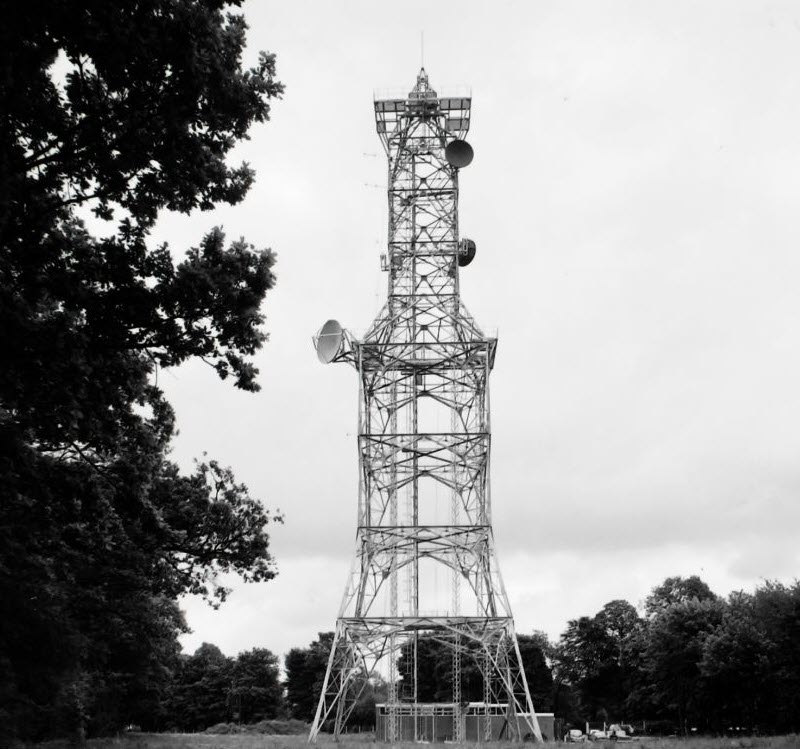
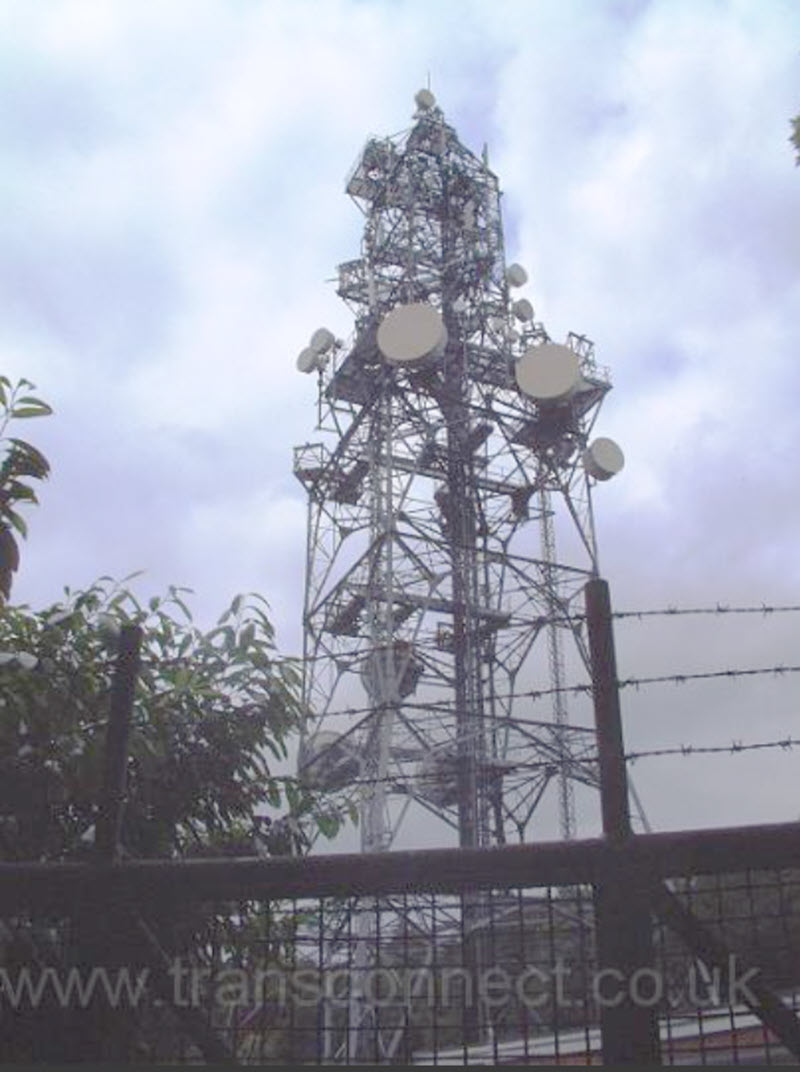
Archive photos show the tower at Fairseat under construction in 1965 and the station equipped with dish antennas by 1966. Although Flimwell had been planned at the same stage it was not operational until late 1969, delaying completion of the London to Tolsford Hill route. For the 1966 World Cup a temporary link was set up from the BBC at White City (Television Centre) and direct from Fairseat to Tolsford Hill. This is understood to have operated on the 7 GHz band used for broadcast links, possibly to avoid conflict with the permanent link. The televison links transferred from cable to SHF once Flimwell was operational, allowing ITV to start UHF colour service from Dover in December 1969. Although Fairseat carried ITV and EBU ("Eurovision") links the BBC operated its own arrangements.
Capacity on the main route was upgraded during the 1970s with digital links added in the 1980s. An additional vision circuit was provided to feed Channel 4 to the Dover transmitter in 1981 and in 1982 TVS took over the ITV franchise for the region, requiring vision circuits for their new studios in Maidstone and an interim site at Gillingham. Both were served over single-hop links from Fairseat where a remotely-controlled Television Network Switching Centre (TVNSC) was established.
The "standard tower" at Fairseat has platforms designed to support horn antennas but due to the delays in completion of the main route it is unlikely any were installed. The building is of the standard pattern and separate from the adjacent local telephone exchange which opened in 1971. The tower was also used by "Thames Radio" - providing ship-to-shore communications in the VHF Marine Band.